
As I pulled that fluffy baked delight from the oven, the rich aroma filled my kitchen, promising a satisfying start to my day. Enter Baked Cottage Cheese Eggs — a protein-packed breakfast that transforms ordinary mornings into extraordinary ones in just 20 minutes. This gluten-free gem is not only quick and easy to prepare, but it can also be tailored to your taste buds, allowing you to swap in your favorite veggies or herbs. With a whopping 28 grams of protein per serving, it easily outshines fast food alternatives, giving you the energy to tackle whatever the day throws your way. Curious about how to create this creamy, savory masterpiece? Let’s dive into the recipe that’s about to revolutionize your breakfast routine!
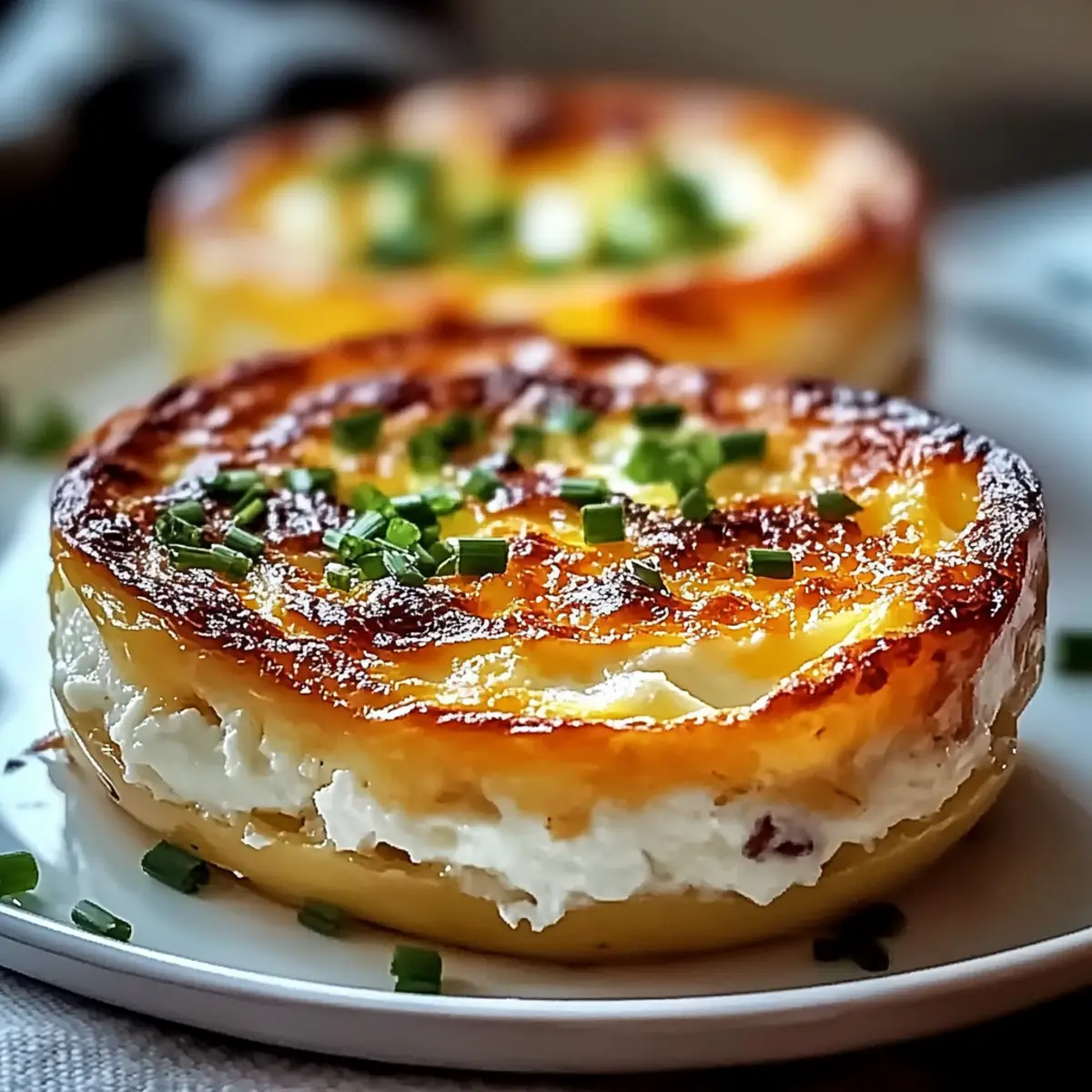
Why are Baked Cottage Cheese Eggs a must-try?
Protein-Packed: Each serving delivers a remarkable 28 grams of protein, making these eggs a powerhouse breakfast option that keeps you full and satisfied.
Customizable: Whether you prefer vibrant bell peppers or nutrient-dense spinach, feel free to personalize your dish with favorite add-ins—endless possibilities await!
Quick and Easy: With just 20 minutes from prep to plate, you’ll be enjoying a deliciously fluffy breakfast without the hassle.
Gluten-Free and Low-Carb: Perfect for anyone on a gluten-free or low-carb diet, this recipe ensures a tasty breakfast without sacrificing health.
Crowd-Pleasing: Great for meal prep or serving guests, these Baked Cottage Cheese Eggs are sure to impress! Pair them with avocado slices for an extra touch or check out my Cottage Cheese Wraps for more delightful ideas.
Baked Cottage Cheese Eggs Ingredients
For the Base
- Cottage Cheese – Provides a creamy base and a protein boost; use lactose-free if needed.
- Eggs – The main protein source, ensuring structure; large eggs yield the best results.
- Parmesan Cheese – Adds flavor and richness; substitute with nutritional yeast for a dairy-free option.
For Flavoring
- Fresh Chives – Offers a fresh, onion-like flavor; green onion can be used as a substitute.
- Garlic Powder – Enhances the dish with aromatic depth; fresh minced garlic can be swapped in.
- Paprika – Adds vibrant color and a mild flavor; smoked paprika gives a unique twist.
- Salt and Pepper – Essential seasonings to elevate the taste of your Baked Cottage Cheese Eggs.
Optional Add-Ins
- Bell Peppers – Include for color and sweetness; be sure to drain excess moisture.
- Spinach – Boosts nutrition; feel free to use fresh or thawed frozen spinach.
- Sun-Dried Tomatoes – Infuse a tangy flavor; drain well to avoid excess moisture.
These ingredients come together to create a delightful breakfast experience that is both nourishing and adaptable to your taste preferences!
Step‑by‑Step Instructions for Baked Cottage Cheese Eggs
Step 1: Preheat and Prepare
Begin by preheating your oven to 375°F (190°C). While it warms up, generously grease a 9-inch pie dish or an 8×8-inch baking dish with cooking spray or olive oil to prevent sticking. The right preparation ensures that your Baked Cottage Cheese Eggs will slide out easily once they’re perfectly baked.
Step 2: Blend Cottage Cheese
Next, scoop the cottage cheese into a food processor. Blend it for about 30 seconds until it achieves a smooth, creamy consistency. This step is vital to ensure the cottage cheese integrates seamlessly into the egg mixture, lending that delightful creaminess to your Baked Cottage Cheese Eggs.
Step 3: Mix the Egg Base
In a large mixing bowl, crack open your eggs and whisk them until well combined. Gently fold in the blended cottage cheese, then add in Parmesan cheese, chopped chives, garlic powder, paprika, salt, and pepper. Mix until everything is thoroughly incorporated, creating a luscious batter that promises a flavorful breakfast.
Step 4: Add Optional Ingredients
If you’re including optional add-ins like bell peppers, spinach, or sun-dried tomatoes, fold them into your egg mixture now. Be mindful of moisture—ensure that any vegetables are well-drained to keep your Baked Cottage Cheese Eggs from becoming soggy. This is where you can really personalize the dish!
Step 5: Pour and Spread
Carefully pour the egg mixture into your prepared baking dish. Use a spatula to spread it evenly, ensuring that all ingredients are well-distributed. This step is essential for even cooking and will give your Baked Cottage Cheese Eggs a beautiful, cohesive texture.
Step 6: Bake to Perfection
Slide the dish into the preheated oven and bake for 15-17 minutes. You’ll know it’s ready when the edges are set and the center jiggles slightly, with an internal temperature of 160°F (71°C). Keep a close eye on them to achieve that perfect fluffy texture—overbaking can result in rubbery eggs.
Step 7: Rest and Serve
Once baked, remove the dish from the oven and let it rest for about 2-3 minutes. This brief cooling period allows the Baked Cottage Cheese Eggs to firm up slightly, making slicing easier. Serve warm, and enjoy this protein-packed breakfast that will keep you energized throughout your day!

Baked Cottage Cheese Eggs Variations
Feel free to add your own twist to these Baked Cottage Cheese Eggs with these fun and flavorful variations!
-
Dairy-Free: Substitute cottage cheese with silken tofu for a creamy, vegan option without sacrificing texture. Blend until smooth and mix into the egg base for a unique take!
-
Spice It Up: Add bold flavors by introducing cayenne pepper or chili flakes to the egg mixture. A pinch of heat adds excitement and wakes up your taste buds wonderfully!
-
Loaded with Veggies: Toss in a medley of your favorite vegetables like zucchini, kale, or mushrooms for an extra nutritious boost. These ingredients not only enhance flavors but also add delightful textures!
-
Herby Delight: Infuse your mixture with fresh herbs like basil, parsley, or dill. This delightful twist will elevate your dish, offering vibrant and aromatic notes with every bite.
-
Smoked Flavor: Replace regular paprika with smoked paprika to introduce a wonderful depth of flavor. The smokiness complements the creaminess beautifully, adding a touch of comfort to your breakfast.
-
Cheesy Goodness: Go wild with cheese! Experiment by replacing Parmesan with feta or goat cheese for a tangy twist. Each cheese brings its own special character to the dish!
-
Tomato Basil: Mix in diced fresh tomatoes or sun-dried tomatoes along with fresh basil for a Mediterranean flair. This variation bursts with flavor and makes for an utterly satisfying meal.
Feeling inspired? Don’t forget to check out my delicious Cottage Cheese Chocolate Mousse for a sweet treat or try my hearty High Protein Veggie Bake with Cottage Cheese as another fantastic way to enjoy cottage cheese!
How to Store and Freeze Baked Cottage Cheese Eggs
Fridge: Store your baked cottage cheese eggs in an airtight container for up to 3 days. Reheat gently in the microwave or oven until warmed through.
Freezer: If you want to extend their life, freeze portions of the baked eggs in a freezer-safe container for up to 2 months. Remember to cool completely before freezing.
Reheating: When ready to enjoy, reheat from frozen or refrigerated until the internal temperature reaches 165°F for safe consumption.
Make-Ahead: Feel free to prepare the mixture a day in advance and keep it in the fridge until you’re ready to bake. This makes breakfast even easier!
What to Serve with Baked Cottage Cheese Eggs
Pairing your breakfast dish with delightful sides can elevate your morning experience and make it even more satisfying!
-
Fresh Avocado Slices: The creamy texture and healthy fats in avocado offer a rich contrast, adding an extra layer of nourishment to your plate.
-
Whole-Grain Toast: Crunchy, nutty toast is the perfect companion, providing a hearty base for your Baked Cottage Cheese Eggs and ensuring you feel full longer.
-
Mixed Green Salad: A crisp salad with a light vinaigrette introduces freshness and a pop of color, balancing the flavors of your savory dish beautifully.
-
Sautéed Spinach: Quick-cooked with garlic, this nutrient-packed side not only enhances the meal’s flavor but also adds a gorgeous green touch to your breakfast spread.
-
Roasted Tomatoes: Their sweetness intensifies when roasted, lending a juicy contrast that perfectly complements the fluffy, savory goodness of your eggs.
-
Fruit Smoothie: Whip up a refreshing smoothie with your favorite fruits to provide a bright, refreshing contrast that rounds out your breakfast with natural sweetness.
Combine any of these sides for a truly delightful breakfast experience that will leave you feeling energized and ready to take on the day!
Expert Tips for Baked Cottage Cheese Eggs
-
Blend Smoothly: Ensure your cottage cheese is well-blended before mixing with eggs. This creates the desired silky texture in your Baked Cottage Cheese Eggs.
-
Watch the Time: Keep an eye on the baking time—15 to 17 minutes is ideal. Overbaking can result in rubbery eggs, which you definitely want to avoid!
-
Moisture Mindfulness: Be cautious with add-ins; drain any excess moisture from vegetables like bell peppers or spinach to prevent sogginess in your dish.
-
Store Effectively: To enjoy leftovers, store them in airtight containers in the fridge for up to 3 days, or freeze portions for up to 2 months. Reheat until the internal temperature reaches 165°F.
-
Customize Wisely: Feel free to customize with spices or vegetables, but remember to balance the moisture levels so your Baked Cottage Cheese Eggs maintain their fluffy texture.
Make Ahead Options
These Baked Cottage Cheese Eggs are a fantastic choice for busy home cooks looking to save time during hectic mornings! You can prep the egg mixture and refrigerate it up to 24 hours in advance—simply blend the cottage cheese and mix it with eggs, Parmesan, and desired seasonings, then cover tightly. For best quality, store any add-ins separately to maintain their texture until you’re ready to bake. When you’re ready to serve, pour the mixture into your greased baking dish, bake for 15-17 minutes, and enjoy a wholesome breakfast that’s just as delicious as when freshly made. This way, you can quickly pop them in the oven for a stress-free start to your day!

Baked Cottage Cheese Eggs Recipe FAQs
What ingredients should I use for the best results?
Choosing high-quality ingredients is key to achieving the best flavor and texture. Opt for large eggs to ensure a sturdy base, and use whole or 1% cottage cheese for a creamy consistency. For a rich flavor, freshly grated Parmesan cheese is ideal, but for a dairy-free version, nutritional yeast works wonderfully as a substitute!
How should I store leftover Baked Cottage Cheese Eggs?
Store any leftover Baked Cottage Cheese Eggs in an airtight container in the fridge for up to 3 days. Make sure they cool completely before sealing them to maintain freshness. For longer storage, freeze portions in a freezer-safe container for up to 2 months. Just be sure to reheat until they’re warmed through to 165°F for safe eating.
Can I freeze Baked Cottage Cheese Eggs?
Absolutely! To freeze Baked Cottage Cheese Eggs, allow them to cool completely. Cut your baked dish into individual servings and wrap each portion tightly in plastic wrap, then place them in a freezer-safe container. They can be frozen for up to 2 months. When you’re ready to enjoy them, simply reheat directly from the freezer or thaw in the fridge overnight before warming up to 165°F.
What should I do if my Baked Cottage Cheese Eggs turn out rubbery?
Oh no! Rubberiness usually stems from overbaking. I recommend keeping a close watch during baking and sticking to the optimal time of 15-17 minutes. If you notice the eggs are starting to look golden but the center is still loose, it’s most likely done! Remember also to blend the cottage cheese until smooth for a better texture.
Can I customize the recipe for specific dietary needs or allergies?
Absolutely! This recipe is incredibly versatile. For gluten-free options, just ensure any add-ins, like sauces or seasonings, are gluten-free as well. If you have lactose intolerance, use lactose-free cottage cheese. You can also omit Parmesan for a dairy-free version and add more spices for extra flavor. Feel free to swap out any veggies according to your dietary preferences—use whatever you love!
How does the ripeness of ingredients affect the dish?
Using fresh, high-quality ingredients will enhance the overall taste and texture of your Baked Cottage Cheese Eggs. Veggies like bell peppers should be firm and free of dark spots, as overly ripe vegetables can release excess moisture during cooking, which may lead to a soggy dish. Use vegetables that are vibrant and crisp for the best results!

Baked Cottage Cheese Eggs: A Fluffy, Protein-Packed Delight
Ingredients
Equipment
Method
- Preheat the oven to 375°F (190°C) and grease a 9-inch pie dish or an 8x8-inch baking dish with cooking spray or olive oil.
- Blend the cottage cheese in a food processor for about 30 seconds until smooth and creamy.
- In a large bowl, whisk the eggs and fold in the blended cottage cheese, Parmesan cheese, chives, garlic powder, paprika, salt, and pepper.
- If adding vegetables, fold them into the mixture, ensuring they are well-drained.
- Pour the mixture into the prepared baking dish and spread evenly.
- Bake for 15-17 minutes until the edges are set and the center jiggles slightly.
- Let it rest for 2-3 minutes before slicing and serving warm.
Leave a Reply